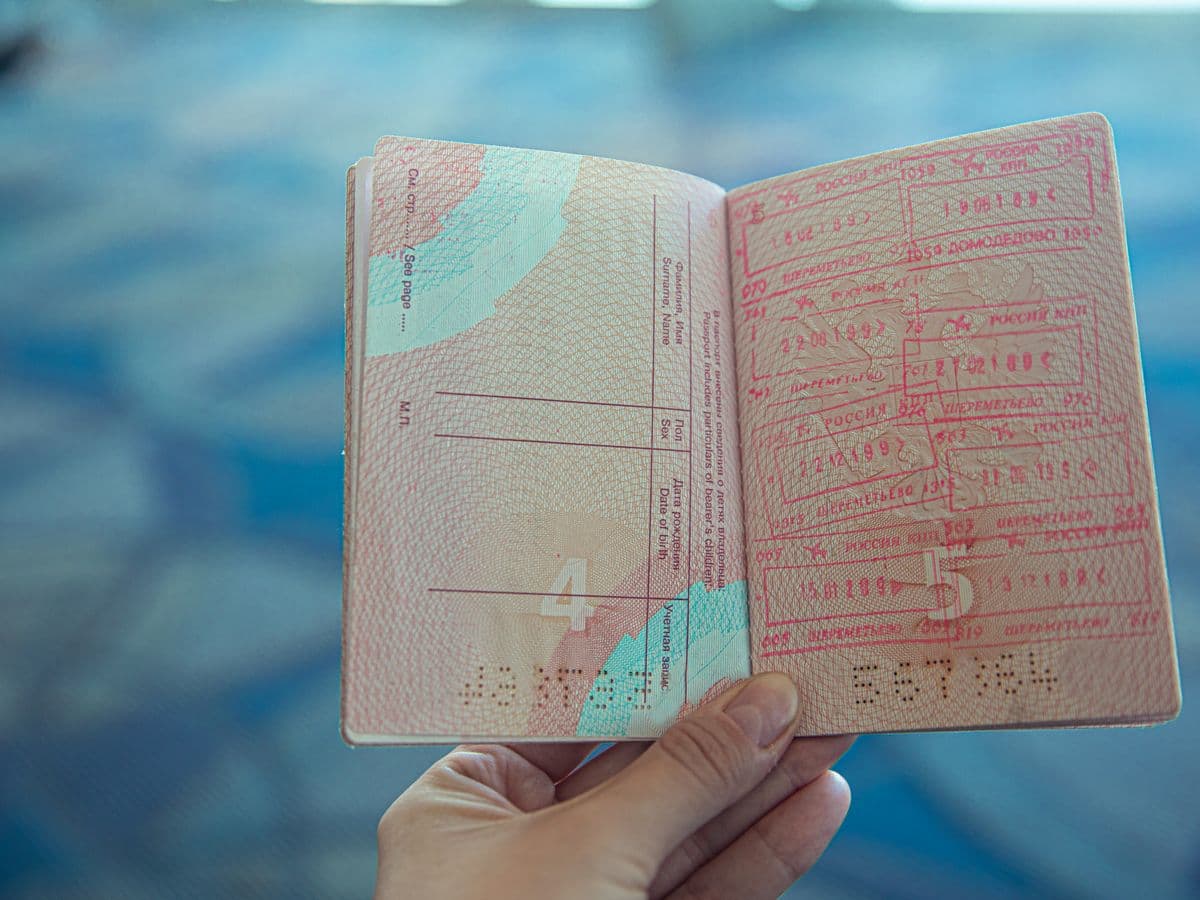
Almost everyone who travels to Europe on a short-stay visa has heard of the 90/180 rule, and most of them have it wrong. The common version — "you get 90 days, then it resets" — describes a rule that does not exist. The real one is stricter, it moves, and it is the single most common reason otherwise careful travellers end up in trouble at a border.
This is worth getting right before you book anything. It shapes which visa you should apply for, how long you can ask for, and whether the itinerary you have in mind is legal at all.
What the rule actually says
You may spend no more than 90 days inside the Schengen area in any 180-day period. The important words are any and period. There is no fixed start date, no annual reset, and no calendar year involved.
On any given day, a border officer can look back over the previous 180 days and count how many of them you spent inside the zone. If the answer is more than 90, you are in breach — regardless of how many separate trips those days were spread across, and regardless of how long ago you first entered.
How to count it correctly
- Take the date you plan to be in the Schengen area.
- Count back 179 days from it. That date, plus your planned day, is your 180-day window.
- Add up every day you were physically inside the zone during that window.
- Both your day of entry and your day of exit count as full days, even if you flew in at 23:00 or out at 06:00.
- If the total including your planned stay exceeds 90, you cannot make that trip as planned.
Days out of the zone do not earn credit
Leaving the Schengen area for a weekend does not buy you fresh days. The count only falls as old days age out of the back of the 180-day window. A trip to London, Istanbul or Dublin in the middle of a long stay pauses the accumulation — it does not reverse it.
Which countries it applies to
The rule covers the Schengen area as a single territory. Time in France, Germany, Spain and Italy all draws from the same 90-day allowance — there is no separate quota per country. The zone is larger than many people assume, and it has grown recently: Croatia began applying the rules in full in 2023, and Bulgaria and Romania in 2025. You can see the current list on our destinations page.
Ireland is not in the Schengen area, and neither is the United Kingdom. Days spent in either do not count towards your 90.
What happens if you overstay
Overstaying is recorded, and it follows you. The consequences scale with the length and the circumstances, but even a short overstay can produce an entry ban, and it will appear on every future visa application you make — including applications to countries outside Europe that ask whether you have ever breached another country's immigration rules.
A previous overstay is not fatal to a new application, but it does change how the file has to be built: it needs to be addressed directly and explained, not left for the officer to discover. That is a large part of what our document review is for.
When 90 days is genuinely not enough
If your plans need more than 90 days in any 180, a short-stay Schengen visa is the wrong instrument and no amount of clever routing will fix that. What you need instead is a national long-stay visa or residence permit from the specific country you will be based in — a different application, to a different part of the consulate, on a different timeline.
The rule is not a budget you spend down each year. It is a moving window, and the only way to plan around it is to count backwards from the date you want to travel.
If you are not certain how your past travel affects a trip you are planning, bring your passport stamps to a free consultation and we will work the window out with you before you book anything.
Last reviewed 4 August 2026
Consulate requirements change. These points are the ones in this guide most likely to move, and they are what we re-check at each review:
- The 90-days-in-any-180 limit and the rolling-window method are set by the Schengen Borders Code — stable, but confirm before each annual review.
- The list of states applying the rule changes as countries join: Croatia joined in 2023, Bulgaria and Romania in 2025. Check lib/destinations.ts stays in step.
Europe Visa Centre is a private consultancy and is not affiliated with any government or embassy. We prepare and check applications; we do not issue visas and we cannot influence a consulate's decision. This guide is general information, not advice on your individual circumstances — for that, the consultation is free.